What is a Viability Scan?
A viability scan is an early pregnancy scan. It uses ultrasound to check if a pregnancy is developing as expected. Usually, this scan happens in the first trimester. It helps confirm the pregnancy and checks for a fetal heartbeat. Many people call it a pregnancy confirmation scan or a first trimester scan. This scan is safe for both mother and baby.
Why is a Viability Scan Important?
First, a viability scan gives important information about your pregnancy. It helps confirm that the pregnancy is inside the uterus. Also, it checks if the baby’s heart is beating. Sometimes, it can show if there is more than one baby. In addition, this scan can help find out if there are any early problems. Early detection helps doctors give the right care. According to the World Health Organization (WHO), early scans can improve pregnancy outcomes.
When is a Viability Scan Performed?
Usually, a viability scan is done between 6 and 10 weeks of pregnancy. However, your doctor may suggest it earlier or later, depending on your situation. For example, if you have pain or bleeding, your doctor may recommend an early pregnancy scan. Most often, the scan is done before the end of the first trimester.
How is a Viability Scan Done? (Procedure)
During a viability scan, a healthcare provider uses an ultrasound machine. There are two main ways to do this scan:
Both methods are safe and usually painless. The scan takes about 10 to 20 minutes.
What Can You Expect During the Scan?
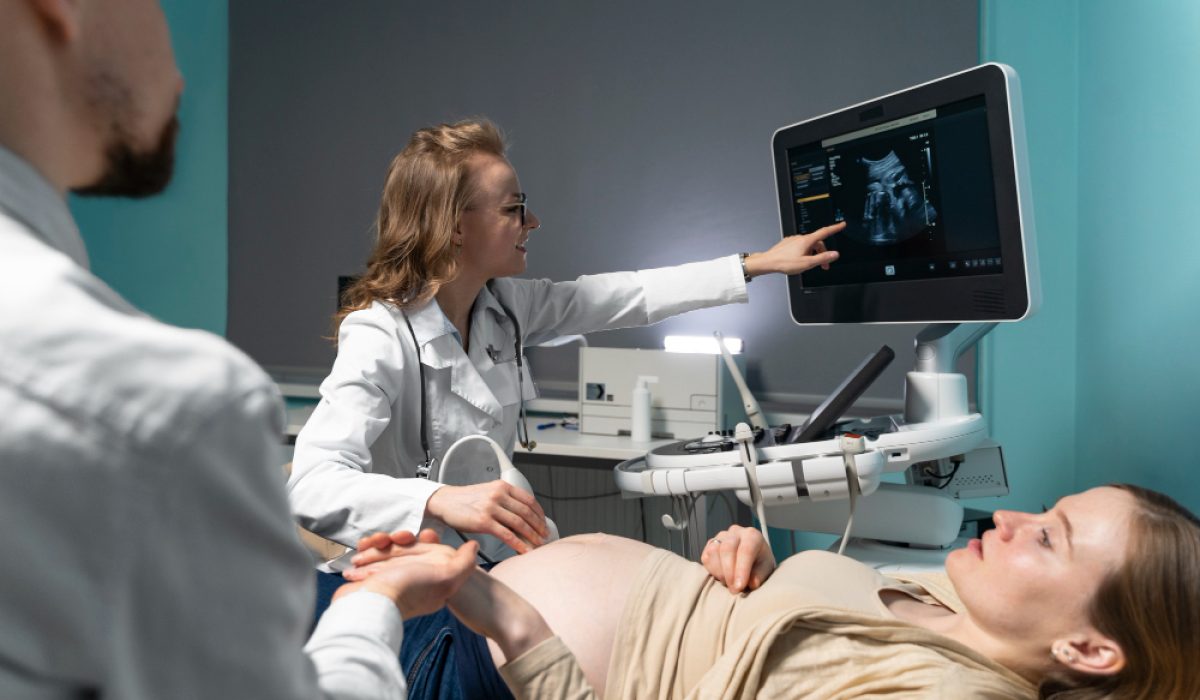
Before the scan, you may be asked to drink water. This helps make the images clearer. During the scan, you will lie on an exam table. The provider will explain each step. If you have a transabdominal scan, gel is placed on your belly. For a transvaginal scan, a covered device is gently inserted. You may see the images on a screen. After the scan, you can usually return to normal activities right away.
Understanding the Results
After the scan, your doctor will discuss the results with you. The scan can show:
If there are concerns, your doctor will explain the next steps. Sometimes, a follow-up scan may be needed.
Frequently Asked Questions about Viability Scans
Tips for a Comfortable Scan Experience
Conclusion and Next Steps
In summary, a viability scan is an important part of early pregnancy care. It helps confirm your pregnancy and checks your baby’s health. If you have questions or concerns, always talk to your healthcare provider. Consult your healthcare provider for personalized advice about viability scans.