What is PRP and How Does It Work?
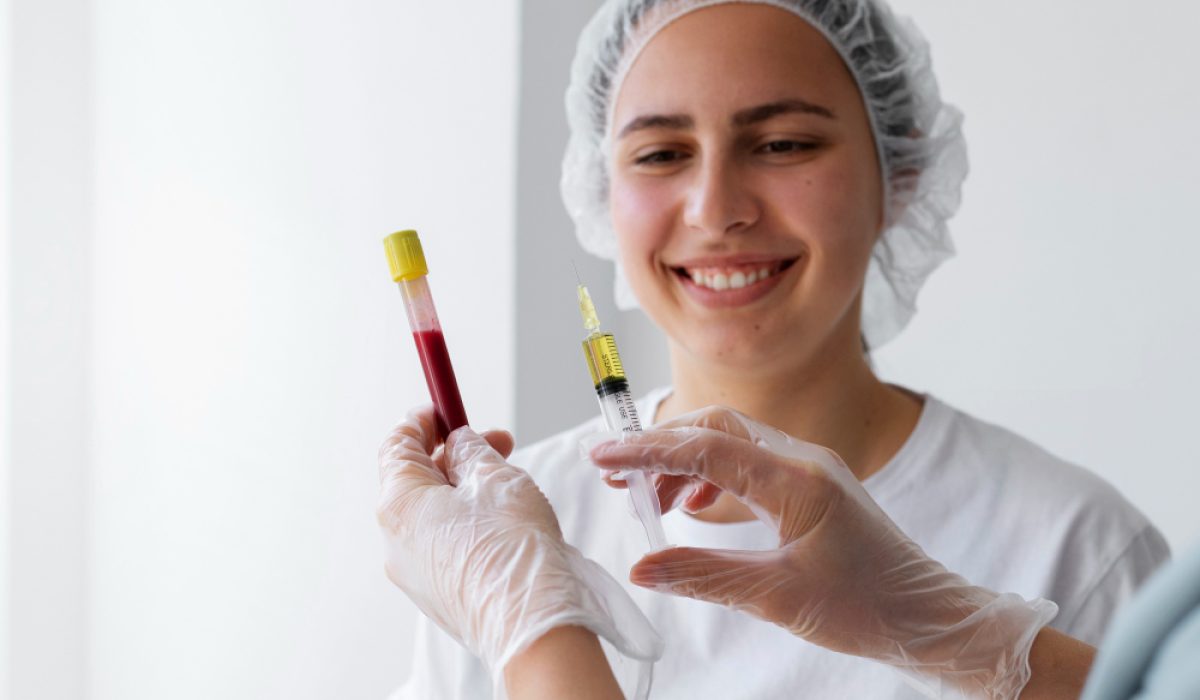
PRP in infertility is a new approach that uses your own blood to help with fertility problems. PRP stands for platelet-rich plasma. It is made by taking a small amount of your blood and spinning it in a machine. This process separates the platelets from other parts of the blood. Platelets are tiny cells that help heal and repair tissues. When doctors inject PRP into certain areas, it can help the body heal and grow new cells. Because of this, PRP is now being used in many medical fields, including fertility treatments.
Why is PRP Used in Infertility Treatment?
Many couples face challenges when trying to have a baby. Sometimes, the lining of the uterus is too thin, or the ovaries do not work well. In these cases, traditional treatments may not help. However, PRP in infertility offers a new option. Doctors use platelet-rich plasma for fertility because it may help the uterus and ovaries work better. For example, PRP can help thicken the uterine lining, which is important for pregnancy. It may also help women with poor ovarian reserve or those who have not responded to other treatments.
PRP Procedure for Infertility: Step-by-Step
The PRP procedure for infertility is simple and safe. Here is how it usually works:
The whole process usually takes less than an hour. Most people can go home the same day. Because PRP uses your own blood, the risk of allergic reaction is very low.
Benefits and Success Rates of PRP in Infertility
Many people want to know about PRP treatment benefits and PRP success rates in fertility. While research is still ongoing, early studies show promising results. For instance, some women with thin uterine lining have seen improvement after PRP treatment. Others with poor ovarian reserve have produced more eggs. Here are some possible benefits:
According to recent medical journals, PRP success rates in fertility are encouraging, but more research is needed. The World Health Organization and other experts agree that PRP is a promising option, especially for women who have not had success with other treatments.
Risks and Considerations
Although PRP in infertility is considered safe, there are some risks to keep in mind. It is important to talk to your doctor before starting any new treatment. Here are some possible risks:
However, because PRP uses your own blood, serious side effects are rare. Still, you should always discuss your medical history with your doctor.
Frequently Asked Questions about PRP in Infertility
When to Consult a Fertility Specialist
If you have tried other fertility treatments without success, it may be time to ask about PRP in infertility. In addition, women with thin uterine lining or poor ovarian reserve may benefit from this option. However, not everyone is a good candidate. Therefore, it is important to speak with a fertility specialist. They can review your medical history and suggest the best treatment for you.
In summary, PRP in infertility is a new and promising treatment. It may help some couples achieve their dream of having a baby. Consult a fertility specialist to discuss if PRP in infertility is right for you.